Bulk Stone, Sand, and Soil Delivery in Flagler County, FL
American Rock Supply delivers aggregates and landscape materials throughout Flagler County, Florida (FL). Homeowners and contractors in Palm Coast, Bunnell, Flagler Beach, and the surrounding rural areas depend on us for reliable bulk material delivery.
We help you choose the right product for your project and arrange a drop that fits your property.
Products and Materials
Other materials such as mason sand, fill dirt, stone screenings, shredded mulch, and garden soil are available for paver bedding, grading, and finishing work. Project type and site conditions determine the best option.
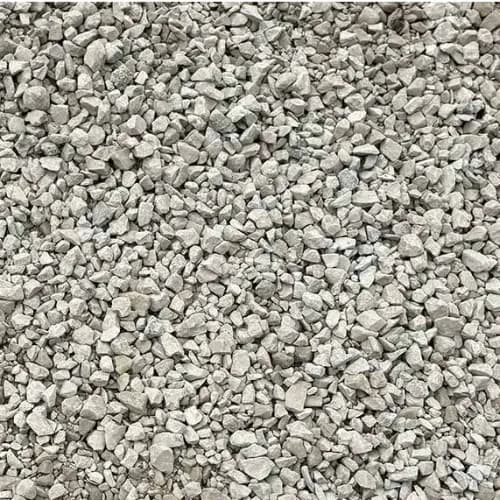
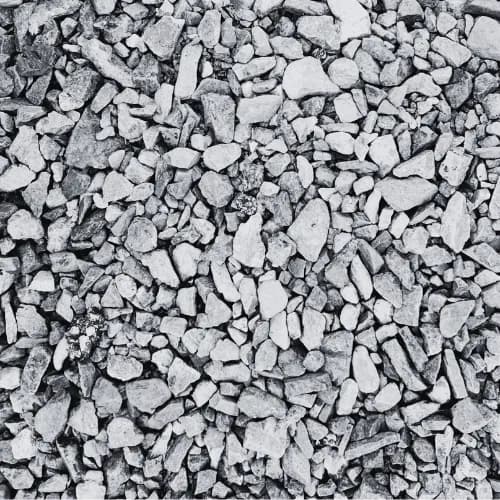
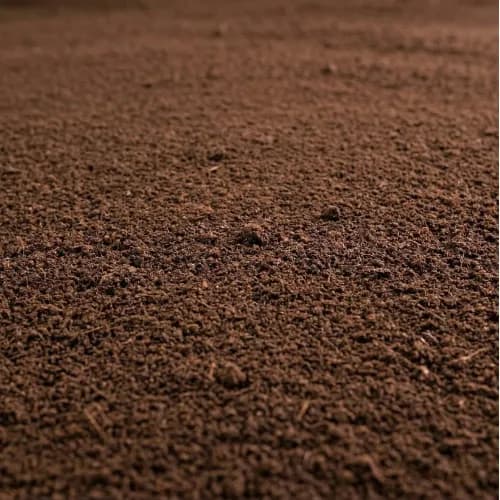
Our Most Popular Products in Flagler County
Material Selection by Project Type
- Driveways: Crusher run or a similar compactable base works well on Flagler County’s sandy soil. A base layer of 4 to 6 inches helps prevent rutting and settling over time.
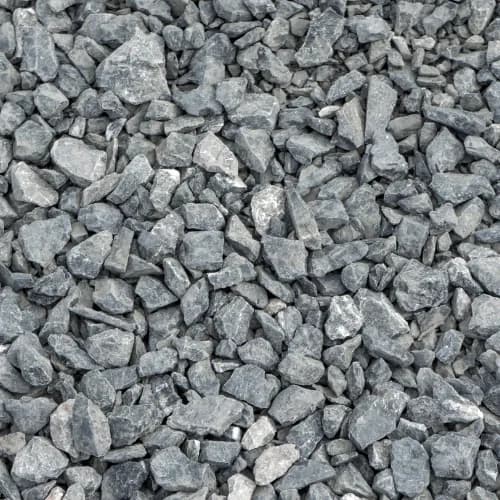
- Drainage: Crushed Stone like #57 or #67 moves water quickly. Avoid materials with fines near foundations, septic systems, or low areas that hold water.
- Patios and walkways: Stone Screenings compacts into a firm surface and drains naturally. Use a base of crushed stone under pavers for stability in sandy ground.
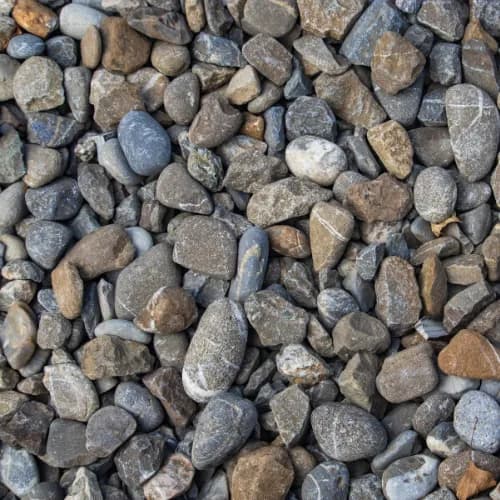
- Landscape beds and soil work: River gravel or shredded mulch provides a clean finish around plants. Topsoil or garden soil builds up beds and improves moisture retention in sandy areas.
Local Conditions That Affect Material Choice
Flagler County has sandy, fast-draining soil across most of its flat terrain. The coastal influence keeps winter mild, but heavy rain can saturate the ground quickly. Rural acreage properties often have long driveways that need a stable base, while suburban lots in Palm Coast and Bunnell require materials that fit standard bed layouts and tight turning areas.
The western portion of the county has slightly more organic soil in low-lying pockets, where drainage stone or raised beds may be needed. Overall, the sandy profile means material with compaction ability handles the risk of shifting better than loose gravel alone.
Delivery and Access in Flagler County
Delivery planning in Flagler County depends on the property layout, truck access, and drop location. Rural driveways, tight turns, soft sand after rain, and overhead branches can affect truck size or unloading point.
Before scheduling, customers should confirm where the material should be dropped, whether the truck can turn around, and whether the driveway or job site can handle the load. American Rock Supply serves much of Flagler County, including both suburban neighborhoods and remote parcel access.
Conclusion & Next Steps
For bulk gravel, stone, sand, soil, and mulch in Flagler County, American Rock Supply can help match materials to the project and arrange delivery. Contact the team to discuss driveway, patio, drainage, landscape, or contractor-site needs.
Frequently Asked Questions
Common questions about gravel and aggregate delivery in Flagler County, FL
Does American Rock Supply deliver throughout Flagler County?
Yes, we deliver to Palm Coast, Bunnell, Flagler Beach, and the rural parts of Flagler County. Delivery fees vary by distance. Contact us with your address and material type for a quote.
What aggregate is best for a residential driveway in Flagler County?
Crusher run provides a firm, compactable surface that stands up to vehicle traffic on sandy soil. A base layer of at least 4 inches helps prevent the driveway from rutting over time.
What is the difference between crusher run and Crushed Stone?
Crusher run contains fines (small dust and chips) that lock together when compacted, making it ideal for driveways and bases. Crushed Stone has no fines, so water drains through it easily. Use clean stone for drainage projects and crusher run for load-bearing surfaces.
What material works best for drainage around a foundation?
Clean #57 stone is commonly used around foundations and in French drains. Its angular shape and lack of fines let water flow away from the structure quickly, reducing hydrostatic pressure.
How do I figure out how much material I need?
Measure the length, width, and depth of the area in feet, then multiply to get cubic feet. Divide by 27 to convert to cubic yards. If you are unsure, contact us with rough dimensions and the project use, and we can help estimate the quantity.