
Gravel, Stone, and Soil for Louisa County, Iowa (IA)
American Rock Supply delivers bulk aggregates and landscape materials throughout Louisa County, Iowa (IA). Homeowners and contractors can choose from gravel, stone, sand, and soil suited for driveways, drainage, patios, and planting beds. Local conditions and project size affect material choice, and delivery planning ensures a smooth drop-off at rural or suburban properties.
Products and Materials
Other materials such as mason sand, fill dirt, stone screenings, shredded mulch, and top soil are available for paver bedding, grading, and landscape finishing. These are typically selected based on the specific project type and site conditions.
Our Most Popular Products in Louisa County
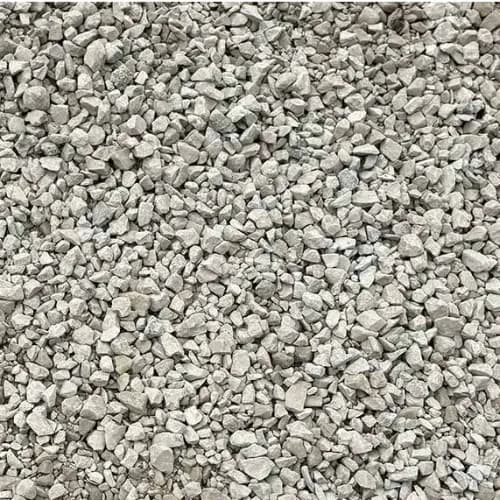
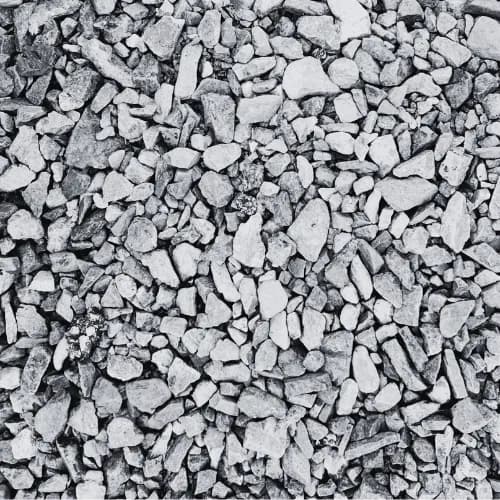
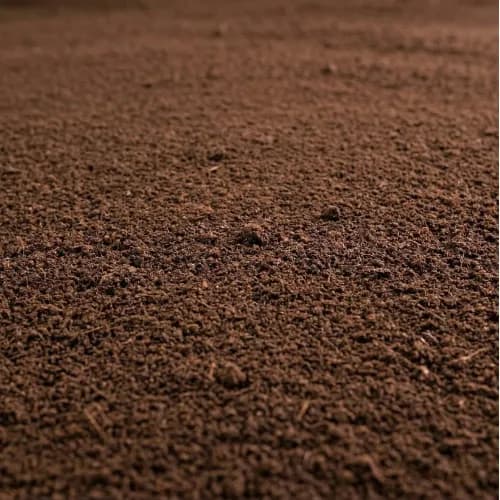
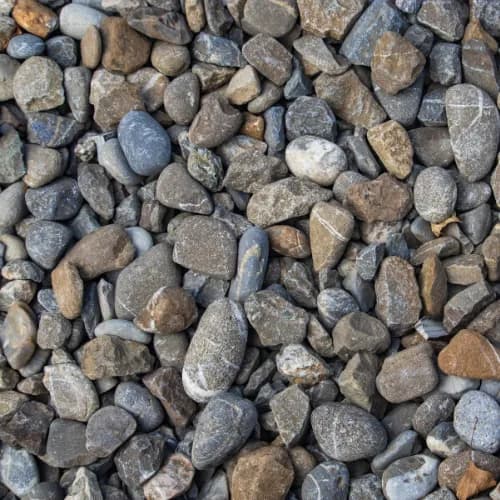
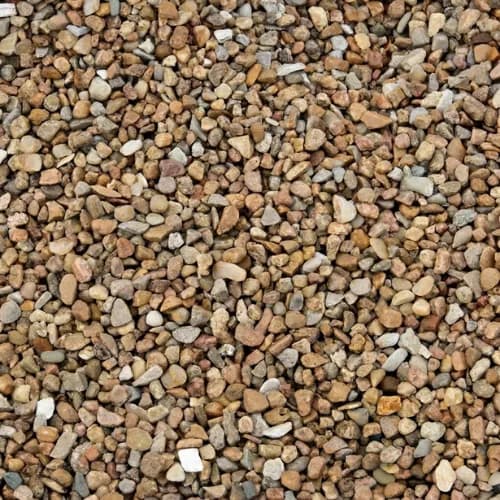
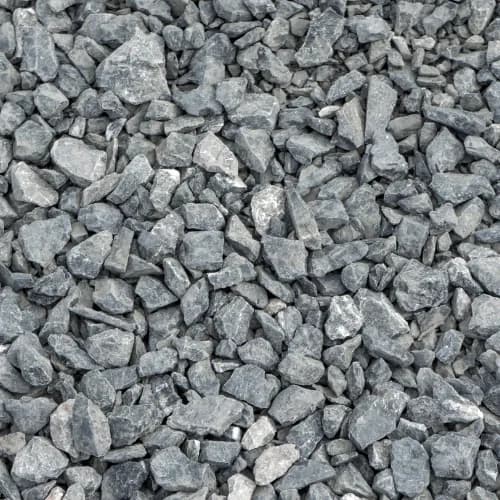
Material Selection by Project Type
- Driveways: Crusher run compacts into a firm surface that handles heavy loads. A base layer of larger stone is recommended for soft ground or long driveways.
- Drainage: Crushed Stone or drain rock works best because it has no fines. Use it around foundations, in French drains, or behind retaining walls.
- Patios and walkways: A compacted base of crusher run or stone screenings provides stability. For the surface layer, Natural Pea Gravel or Stone Screenings gives a finished look.
- Landscape beds and soil work: Decorative stone like river rock or Natural Pea Gravel adds long-lasting color. For planting, garden soil or top soil improves moisture retention and root growth.
Local Conditions That Affect Material Choice
Louisa County has fertile, heavy clay loam soils that drain slowly after rain. This makes base preparation and drainage material especially important for driveways and patios.
Properties are a mix of rural acreages and small town lots in the county’s compact communities. Rural access often involves long gravel driveways, while in-town jobs may have limited maneuvering space.
Freeze-thaw cycles are common in Iowa winters. Using Crushed Stone around foundations helps prevent frost heave, and compacted crusher run resists rutting during spring thaw.
Delivery and Access in Louisa County
Delivery planning in Louisa County depends on the property layout, truck access, and drop location. Rural driveways, tight turns, soft ground, and low-hanging branches can affect how the truck unloads.
Before scheduling, customers should identify where the material should be dropped and whether there is enough turnaround space. Long driveways may require the material to be placed at one end and moved with a wheelbarrow.
American Rock Supply serves much of Louisa County with single-load and contractor-scale deliveries. The team can discuss access details and recommend the best drop point for each job site.
Conclusion & Next Steps
For bulk gravel, stone, sand, soil, and mulch in Louisa County, American Rock Supply can help match materials to the project and arrange delivery. Contact the team to discuss driveway, patio, drainage, landscape, soil, or contractor-site needs.
Frequently Asked Questions
Common questions about gravel and aggregate delivery in Louisa County, IA
Does American Rock Supply deliver throughout Louisa County?
Yes, we deliver to most properties in Louisa County, including rural homes and farms. Access conditions like road width and overhead clearance are reviewed before scheduling to ensure a safe drop.
What aggregate is best for a residential driveway in Louisa County?
Crusher run is the most common choice for residential driveways. It contains fines that lock together under compaction, creating a durable surface that handles vehicle traffic and freeze-thaw cycles.
What is the difference between crusher run and Crushed Stone?
Crusher run includes stone dust and small fines, which help it compact into a solid base. Crushed Stone is washed to remove fines, leaving open spaces that allow water to drain through. Use clean stone for drainage and crusher run for driveways.
What material works best for drainage around a foundation?
Crushed Stone or drain rock is ideal for foundation drainage. Its open structure lets water flow away from the building, reducing hydrostatic pressure and the risk of moisture problems.
How do I figure out how much material I need?
Measure the length, width, and desired depth of the area in feet. Multiply them together and divide by 27 to get cubic yards. For precise estimates, contact us with rough dimensions and your project type.