Fill Dirt: The Layer Nobody Sees When the Job Is Done
Also known as: Fill, Structural Fill, Common Fill
Clean, compactable fill dirt for grading, backfill, and site preparation. Economical solution for raising grades and filling large voids.
From $252 for 1 ton, delivery to 07430 included (larger loads cost significantly less per ton)
Free delivery included
Enter your ZIP to see your competitive price
Delivered to 07430
Pick a delivery date
Weekday delivery, earliest Nov 3
“It did the job and the price was reasonable.”
Jennifer W. · Verified Buyer
Get a Free Quote
Fill out the form and our sales team will get back to you within the hour.
The corner of a yard that ponds is a spring problem in frost country, a rainy-season problem on the Gulf coast and a monsoon problem in the desert Southwest, and in all three the fix is the same shape: raise the ground so water runs somewhere else. That is the job fill dirt is ordered for more than any other. It is bought by volume, spread in layers, and then covered over, and almost nobody looks at it again.
Which is why it helps to know what should land on the driveway.
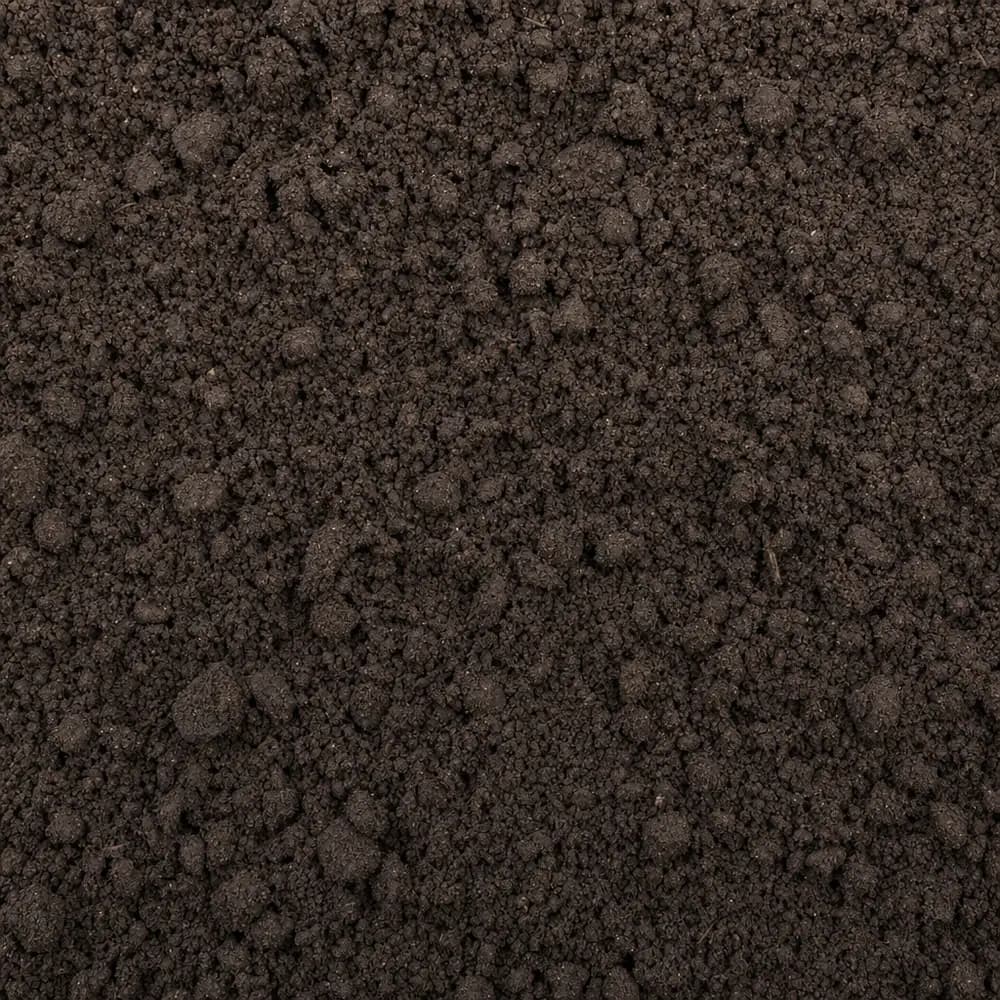
What a load looks like out of the truck: clods, dull color, no smell
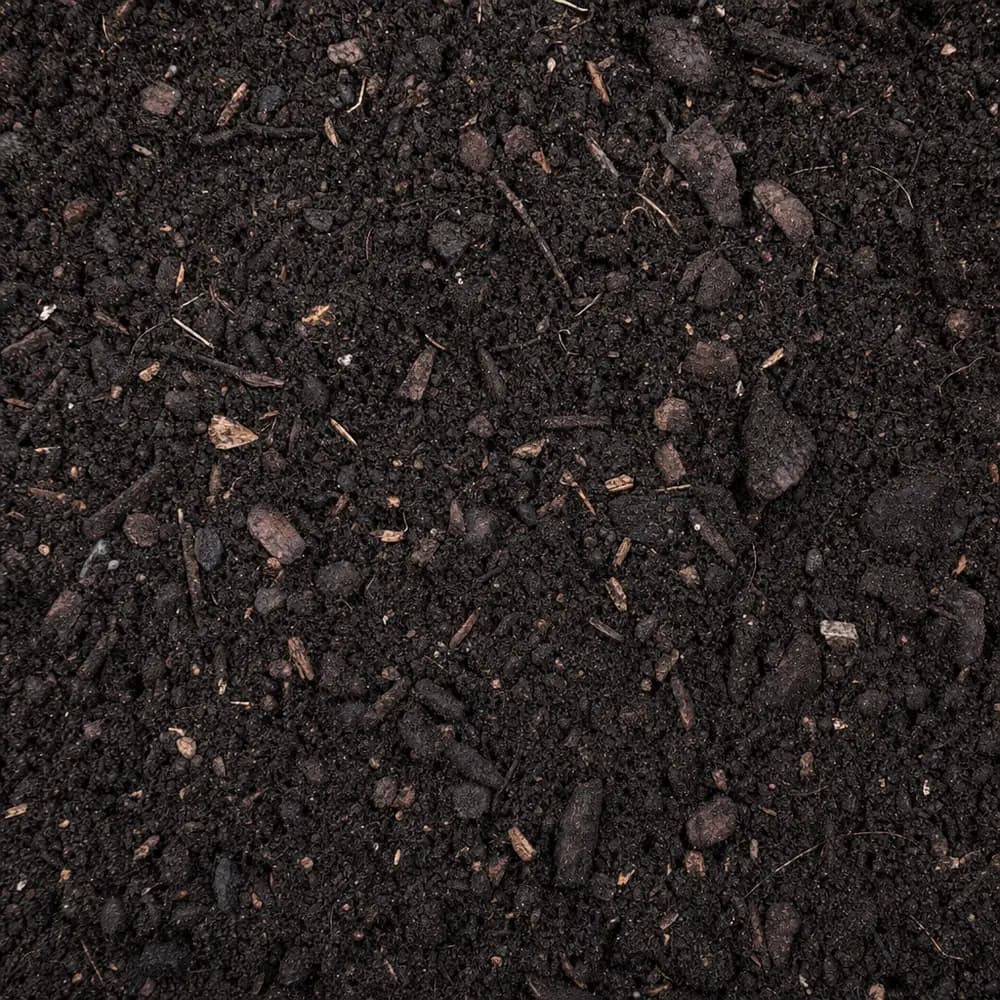
A pile of this material is not attractive and is not supposed to be. Expect a dull brown, tan or gray-brown depending on the region it came from, mineral rather than dark, with none of the near-black color of a compost blend. Expect clods, especially if it is damp, and expect it to break down under a rake rather than flow like sand.
What you should not find in it is a quantity of roots, large stones or debris, because the material is screened to take those out. What you should not smell is anything organic. A rich, earthy smell means there is organic matter in the material, and organic matter is exactly what a structural fill is meant to be short of: it decomposes, and what decomposes settles.
Wet, it is heavy and sticky and will clog a wheelbarrow. Dry, it is dusty and rakes out easily. The difference is bigger than with any other material on this site.
Raising a corner that ponds after every storm
The main job has a recognizable shape. A dip collects water, the grass there drowns or turns to mud, and mosquitoes and ruts follow. Raising that ground by a few inches and blending it into the surrounding grade sends water to a swale, a ditch or a lower part of the property instead.
Three habits decide whether it works. Strip the sod and any soft, organic surface first, so the new material bonds to mineral ground instead of sliding on a layer of dead grass. Build a fall of at least a few inches over the length of the run, not a flat patch. And carry the new grade out beyond the wet area so there is no lip where the fill stops, because a lip creates a new puddle on its uphill side.
Under a gravel drive and a flagstone walk, it is the layer that never shows
Two more jobs use the same material invisibly.
A single-car gravel drive. Where the ground is too low, too uneven or too soft, the fix is to bring the subgrade up and compact it before any stone goes on. A hypothetical drive 11 by 38 feet raised by 4 inches works out at 418 square feet, 418 x 4 / 12 = 139.3 cubic feet, 139.3 / 27 = 5.16 cubic yards. Fill dirt is figured at about 2,400 lb per cubic yard dry on this site, or 1.20 tons per yard, so roughly 6.2 tons. The driving surface then goes on top: Road Base or Crusher Run compacted, with Driveway Gravel as the top course.
A flagstone walkway. Same principle at a smaller scale. A path 3 feet wide and 26 feet long raised 3 inches is 78 square feet, 78 x 3 / 12 = 19.5 cubic feet, 19.5 / 27 = 0.72 cubic yards, under a ton. The flagstones themselves need a compacted stone base and a bedding course above this, never flagstones straight onto fill.
Both examples are hypothetical, and both make the same point: this material sets the level, and something else carries the load.
The one place to keep it out of: raised vegetable beds
Fill dirt in a raised bed is a mistake that takes a season to reveal itself. Plants go in, growth is poor, and the bed drains badly or not at all depending on what the fill happens to be made of.
The reason is the property that makes it good structural fill. It is mineral, with little organic matter, little nutrient content and a structure that compacts rather than staying open for roots. A bed wants the opposite. Fill a bed with Garden Soil, and if the bed is deep and you want to reduce the volume of blend needed, part fill the bottom with coarse material rather than with dirt that will pack down.
The related case is a new lawn. Fill dirt sets the grade, then Top Soil goes over it for seed or sod. Grass will not establish on fill alone.
Why fill dirt goes in 6 inch lifts and not one deep dump
The most common failure on a fill job is not the material, it is the method. A large volume dumped and shaped in one go compacts under its own weight for years, and the finished grade drops unevenly.
Spread in lifts of about 6 inches, compact each one before the next goes on, and dampen dry material as you go, since dust-dry dirt will not knit together. On a big regrade that means a plate compactor or a roller. On a yard-sized job, walking a tractor bucket over it or running over it repeatedly with the wheelbarrow wheel does more than nothing.
Do not compact the last inch or two if soil and grass are going over it. Grass roots need a surface that is firm rather than sealed.
Yards for an 18 by 24 foot low spot
Take a hypothetical low corner 18 by 24 feet, averaging 6 inches deep. 18 x 24 = 432 square feet. 432 x 6 / 12 = 216 cubic feet. 216 / 27 = 8 cubic yards.
Weight depends on the weather. At about 2,400 lb per cubic yard dry that is 9.6 tons. After a wet week the same material can run up to 3,000 lb per cubic yard, or 1.50 tons per yard, which is 12 tons for the same 8 yards. Volume is what you are buying, so order in yards and treat the tonnage as a guide to what will be sitting on the driveway.
Order for the compacted result rather than the hole as it looks today, and allow extra for the material you will lose into a soft base. The dirt calculator handles circles and up to five separate areas, which suits a yard with two or three low spots rather than one.
Where a dirt pile can sit, and for how long
A load of fill needs somewhere to sit where it will not be missed for a week. It will kill grass underneath it, mark a driveway and wash into a storm drain in a downpour, so the spot matters more than with a stone load.
Choose firm ground with a clear approach for the truck, downhill of nothing you care about, and put a tarp under it on any hard surface. Delivery is arranged at checkout by ZIP code. Set the yardage and the date here on the product page, and for a regrade involving several areas, send the dimensions through the contact page and ask for a quote by email so the whole job can go on one load.
Quickly Calculate How Much You Need
Material: Fill Dirt
How to Measure
Measure the length and width of your project area in feet
Decide on depth in inches (2" for landscaping, 4" for driveways)
Enter the values above and we'll calculate the tonnage you need
Need help figuring out the right amount? We can help!
Call or text us at (888) 389-5517 and we'll help you calculate the right quantity for your project.
Not sure how much you need? The Dirt Calculator has depth guides, coverage charts and worked examples for this material.
Frequently Asked Questions About Fill Dirt
Customer Reviews
Great Product and Service
The process with American Rock Supply was clear and easy to follow. The fill dirt was a great fit for the job. The order was easy to arrange, and I am pleased with the outcome.
Scott W. · Colorado Springs, CO · Verified Buyer
Great Experience
I would gladly use American Rock Supply for another project. The fill dirt suited the project perfectly. I appreciated the clear communication and friendly service.
Dana B. · Fort Myers, FL · Verified Buyer
A shed pad needed building up before the delivery of the actual shed, and this load of dirt held its shape nicely once we tamped it down.
Jeff L. · Tucson, AZ · Verified Buyer
Great Experience
Everything went smoothly with my order from American Rock Supply. The quality of the fill dirt was just what I was looking for. I appreciated how easy they made the entire process.
Ryan C. · Austin, TX · Verified Buyer
Good clean fill
Spread it in a low area and it packed down nicely.
Kelly K. · Indianapolis, IN · Verified Buyer
Dependable fill material
The fill dirt arrived in good condition and worked well for my project.
Ryan J. · Charleston, SC · Verified Buyer
Good for a low spot
I used this to fill in a low area in the yard. It packed down well and the ground is even now.
Mark W. · Montgomery, AL · Verified Buyer
Fair price for the quality
It did the job and the price was reasonable.
Jennifer W. · Austin, TX · Verified Buyer
Fine for filling
I used this to build up a low spot before planting grass. It settled well and the grass took to it.
Jeff B. · Lexington, KY · Verified Buyer
Dependable fill material
I used this fill dirt to level a spot in the yard, and it performed well.
Dana B. · Fort Myers, FL · Verified Buyer
Good for leveling
I used this to fill in some ruts in the yard. It packed down well and the ground is even now.
Luis B. · Louisville, KY · Verified Buyer
Dependable fill material
This fill dirt was well suited to leveling the area and preparing it for the next step.
Kevin E. · Scottsdale, AZ · Verified Buyer
Fill Dirt has 13 verified customer reviews with an average rating of 4.8 out of 5.