Garden Soil: The Compost Blend, and When It Is Worth It
Also known as: Garden Mix, Planting Soil, Raised Bed Soil
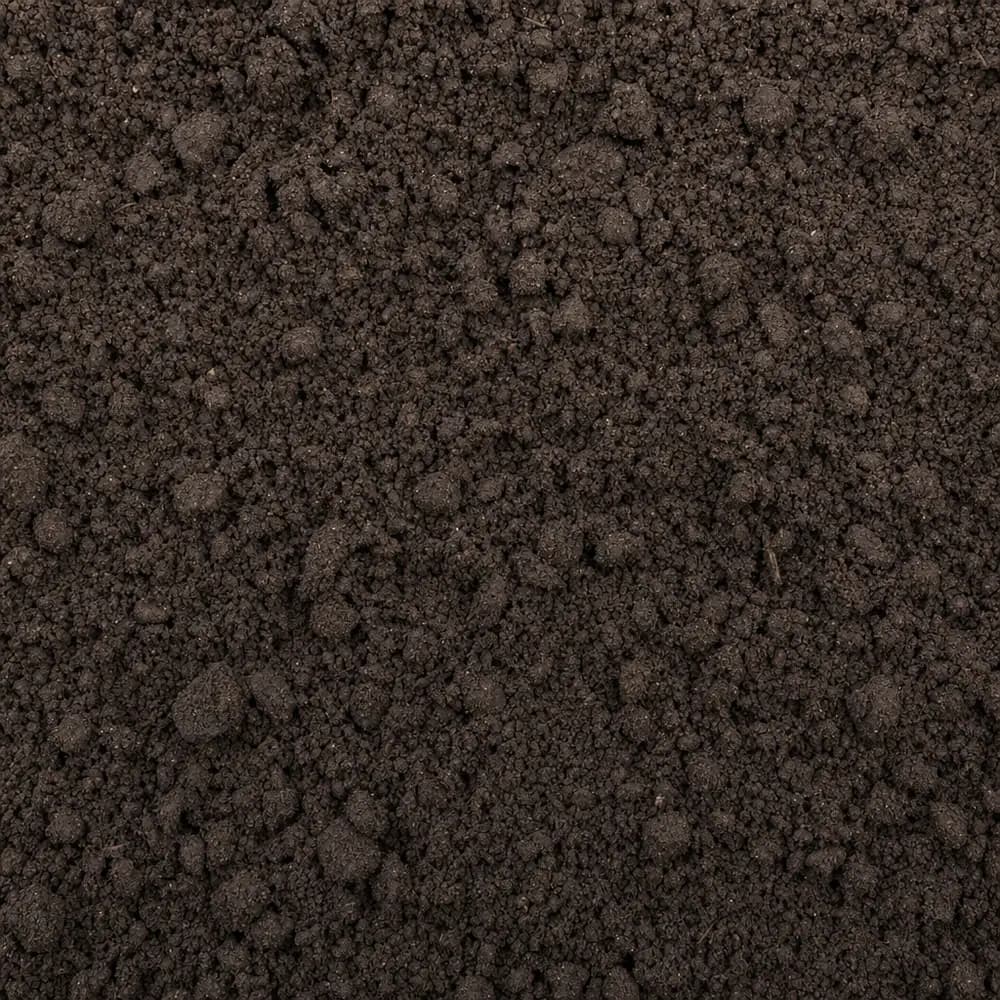
Nutrient-enriched soil blend specially formulated for vegetable gardens, flower beds, and raised planters. Enhanced with organic compost for superior plant growth.
From $480 for 1 ton, delivery to 81402 included (larger loads cost significantly less per ton)
Free delivery included
Enter your ZIP to see your competitive price
Delivered to 81402
Pick a delivery date
Weekday delivery, earliest Nov 3
“I used this in a vegetable bed and everything is growing well. It's nice and loose.”
Brian W. · Verified Buyer
Get a Free Quote
Fill out the form and our sales team will get back to you within the hour.
A gardener in Wisconsin filling beds in May and one in Florida filling them in October are making the same decision from opposite ends of the calendar: which of three soils goes in, and how deep. Garden soil is the enriched one, a soil blended with organic compost and intended for growing in straight away. The other two are built for different parts of a property and wrong for a bed, and the difference is worth five minutes before a truck is booked.
What a compost blend has that screened top soil does not
The three soil products on this site are not grades of the same thing. They are different materials for different parts of a property.
| Product | What it is | Where it belongs |
|---|---|---|
| Garden Soil | Soil blended with organic compost | Raised beds, vegetable and flower beds, top dressing |
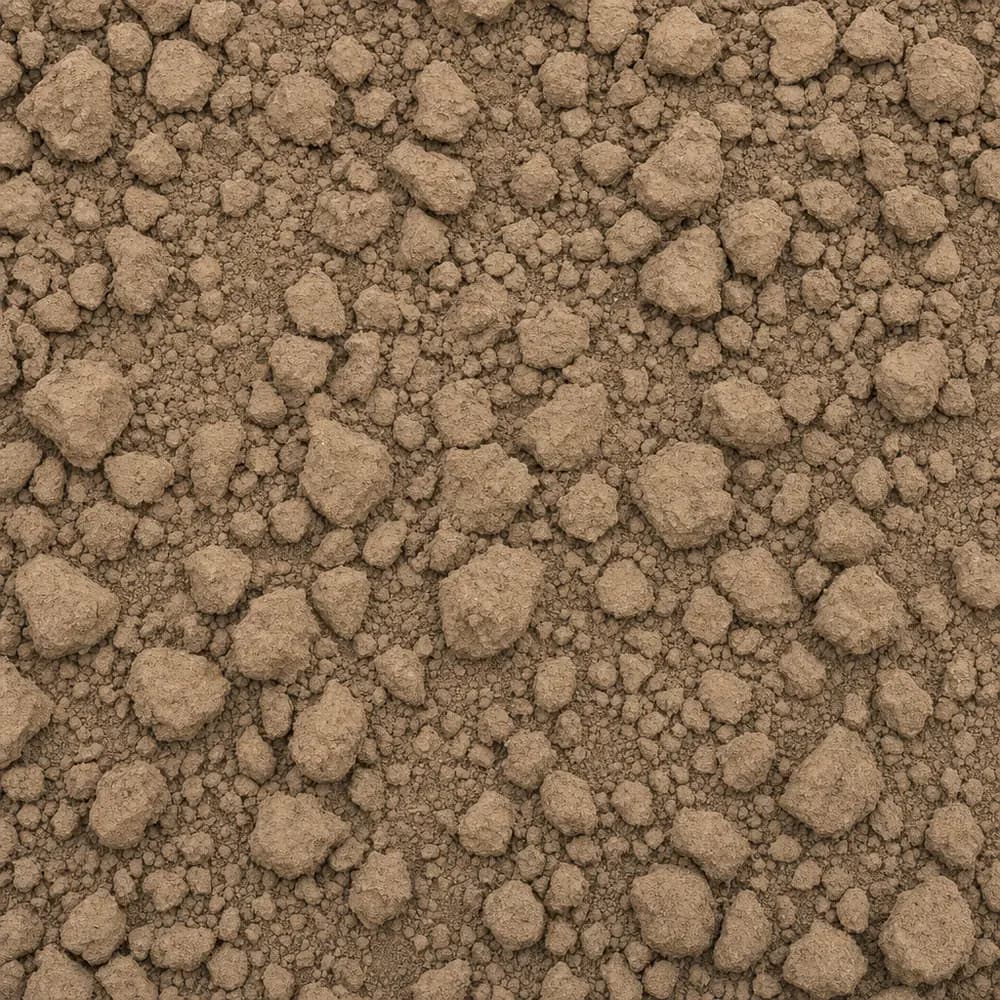
| Top Soil | Screened natural soil, sand, silt and clay | Lawns, regrading, seeding and sod |
| Fill Dirt | Mineral subsoil, little organic matter | Raising grade, backfill, building up low ground |
Read that table from the bottom up and the logic is clear. Fill dirt has almost no organic matter, which is the point: organic matter decomposes, and anything that decomposes under a structure settles. Top soil has enough to grow grass and is screened to spread evenly with a rake. Garden soil goes a step further by blending compost in, which is what raises the nutrient content and holds moisture through a dry spell while still letting water through in a wet one.
The practical rule: if you are growing vegetables in a contained bed, buy the blend. If you are growing grass over a wide area, top soil goes further for the same work. If nothing is going to grow there at all, it is a fill job.
Beds where garden soil earns the depth it takes
Four jobs justify the enriched material.
Filling a new raised bed. The whole volume is soil the plants will root into, so the quality of what goes in is the quality of the bed for years.
Starting a new vegetable or herb bed at ground level. Loosen the native soil first and blend the top few inches into the new material, so roots have a path downward instead of hitting a hard line.
Refreshing a tired bed. A couple of inches worked into the top of an established bed replaces what a few seasons of cropping took out.
Flower beds, annual and perennial. The same blend suits both, though perennials care more about drainage than about nutrients.
How deep a new bed has to be filled, and how much an old one needs
Two different numbers, often confused.
For a new bed, the depth is the depth of the box, less an inch or two of freeboard so watering does not float material over the sides. Ten to twelve inches of rooting depth suits most vegetables. A deep box on hard ground can be part filled with coarse material at the bottom, though roots reach further than people expect and the saving is smaller than it looks.
For an established bed, 2 to 3 inches worked into the surface is a top dressing, not a refill. Adding more than that every season raises the soil level until the bed overflows.
Where a shed pad, a splash area and a wall backfill all go wrong
Three requests arrive on soil pages that should not be filled with soil at all, and the reason is the same each time: organic matter breaks down, and anything resting on it drops.
Under a shed or garage pad. A hypothetical 10 by 12 foot pad needs 120 square feet of base. At 4 inches that is 120 x 4 / 12 = 40 cubic feet, 40 / 27 = 1.48 cubic yards. Filled with a compost blend it would settle unevenly within a year and take the pad with it. That is a compacted stone job: Crusher Run or Road Base.
A downspout splash area. Water leaving a downspout will carve a channel through any soil and wash the compost out first. Use 3/4" Crushed Stone over fabric.
Behind a retaining wall. The space behind a wall needs to drain, or winter water pressure pushes the wall out. Organic soil holds that water. Backfill with Drain Rock and keep soil for the planted area above.
Yards for four 4 by 8 raised beds
Soil is ordered by the yard, so work in cubic yards and convert only if you need the weight.
Four new beds. Each bed is 4 x 8 = 32 square feet, so 128 square feet in total. Filled to 11 inches: 128 x 11 / 12 = 117.3 cubic feet. 117.3 / 27 = 4.35 cubic yards. Round to 4.5. Garden soil is figured at about 2,000 lb per cubic yard on this site, so that is roughly 4.4 tons, and this is the one material where a cubic yard and a ton are close enough to be confused.
Top dressing an existing border. A strip 30 feet long and 4 feet wide at 2 inches: 120 square feet, 120 x 2 / 12 = 20 cubic feet, 20 / 27 = 0.74 cubic yards.
Both are hypothetical. Beds that are not rectangles are easier to size in the soil calculator, which takes circles and up to five separate areas at once.
Ordering by the yard and keeping the pile off the lawn
Soil arrives as a single pile and every wheelbarrow load comes out of it by hand, so the drop position decides how the day goes. Pick a spot the truck can reach on firm ground with a clear approach, as close to the beds as the route allows, and lay a tarp under it if it is landing on a driveway. Delivery is arranged at checkout by ZIP code.
Order for the volume you can spread in the time you have. A pile of blended soil left standing in rain compacts and gets heavier to move. Set the yardage and the date here on the product page, and if your beds are an awkward set of shapes, send the dimensions through the contact page and ask for a quote by email.
Quickly Calculate How Much You Need
Material: Garden Soil
How to Measure
Measure the length and width of your project area in feet
Decide on depth in inches (2" for landscaping, 4" for driveways)
Enter the values above and we'll calculate the tonnage you need
Need help figuring out the right amount? We can help!
Call or text us at (888) 389-5517 and we'll help you calculate the right quantity for your project.
Not sure how much you need? The Soil Calculator has depth guides, coverage charts and worked examples for this material.
Frequently Asked Questions About Garden Soil
Customer Reviews
Building out three new flower beds along the fence line, and this soil made the fill-in part painless.
Greg K. · Henderson, NV · Verified Buyer
Exactly What I Needed
I would gladly use American Rock Supply for another project. The garden soil made a noticeable improvement to the finished project. Good communication and a very positive overall experience.
Pat H. · Chattanooga, TN · Verified Buyer
Rich and dark
This is nice-looking soil. My vegetable garden has been producing better than it did last year with the old dirt.
Tom N. · Roanoke, VA · Verified Buyer
Easy From Start to Finish
The process with American Rock Supply was clear and easy to follow. The garden soil made a noticeable improvement to the finished project. I appreciated the clear communication and friendly service.
Luis T. · Raleigh, NC · Verified Buyer
Nice texture
This soil is loose and doesn't clump up. It made planting much easier compared to the clay I was dealing with.
Kim A. · Cleveland, OH · Verified Buyer
Fair price for the quality
It did the job and the price was reasonable.
Luis T. · Raleigh, NC · Verified Buyer
Good for vegetables
I used this in a vegetable bed and everything is growing well. It's nice and loose.
Brian W. · Memphis, TN · Verified Buyer
Fine for a garden
I used this in a flower bed and it looks good. Plants are growing nicely.
Debbie C. · Cleveland, OH · Verified Buyer
Good choice for landscaping
This soil worked well for what I needed. Plants are doing fine in it.
Heather G. · Marietta, GA · Verified Buyer
Good choice for landscaping
It's garden soil. It works well for growing plants.
Mike H. · Augusta, GA · Verified Buyer
Happy With My Order
From ordering through delivery, American Rock Supply was easy to work with. The garden soil was exactly what I needed for the project. The project came together well, and I am happy with my purchase.
Tony E. · Fort Wayne, IN · Verified Buyer
Good choice for landscaping
This worked well for my raised beds. The plants are doing great in it.
Frank B. · Louisville, KY · Verified Buyer
Garden Soil has 15 verified customer reviews with an average rating of 4.8 out of 5.