Mason Sand: Fine Washed Sand for Bedding and Joints
Also known as: Masonry Sand, Mortar Sand, Brick Sand
Ultra-fine washed sand ideal for masonry, mortar mixing, sandboxes, volleyball courts and above-ground pool bases. Smooth texture with consistent grain size.
From $472 for 1 ton, delivery to 13433 included (larger loads cost significantly less per ton)
Free delivery included
Enter your ZIP to see your competitive price
Delivered to 13433
Pick a delivery date
Weekday delivery, earliest Nov 3
“I used this for a small mortar job and it worked well.”
Jeff H. · Verified Buyer
Get a Free Quote
Fill out the form and our sales team will get back to you within the hour.
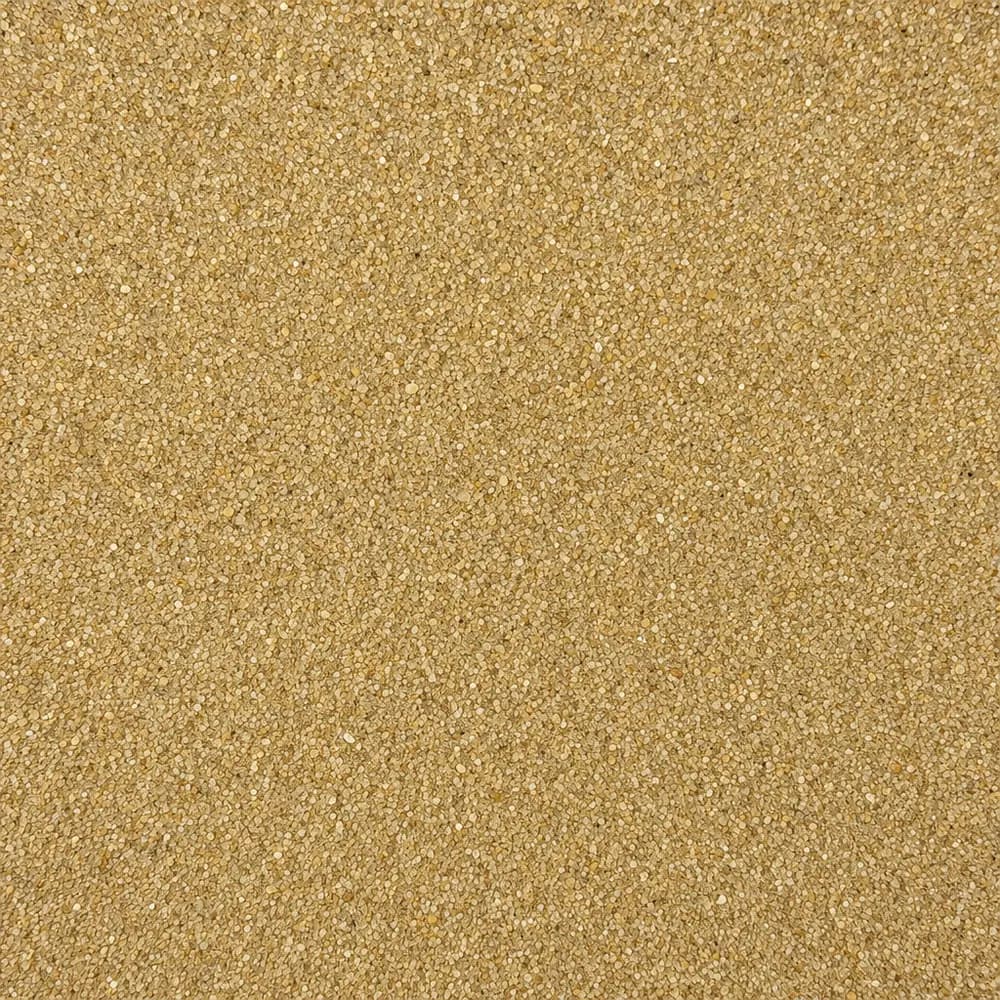
Put a handful of mason sand next to a handful of ordinary pit sand and the difference is obvious before you know anything technical about either. This one runs through your fingers evenly, pale and uniform, with no gravel pieces to catch on and no clay lumps that stay clumped when you squeeze them. It has been washed, so the silt and organic matter that make sand feel slightly greasy are gone. Dry, the pile has a soft slumped shape and the top few inches move in a stiff breeze. Wet, it holds a screeded edge cleanly, which is exactly the property you are paying for when you bed a paver.
The trade-off is written into the same fineness. Small, rounded, uniform grains do not lock together the way angular crushed material does, so this sand beds and fills. It does not carry structure.
Mason sand season in frost country against a year-round sun belt calendar
Sand work is seasonal in a way that stone work is not, because most of what this material goes into involves either mortar or a bed that has to be screeded dry and level.
- In frost country, where the ground freezes to 48 inches under the codes in Massachusetts, New Hampshire and Wisconsin, the working window is the warm months. Mortar needs to cure before the cold arrives, and a paver bed laid over ground that will heave gets reset the following spring. Late spring through early autumn is the practical season, with the ground thawed and drained underneath.
- In the sun belt, through Florida and south Texas, the calendar is open most of the year. The constraint is the opposite one: heat and wind dry a mix and a screeded bed faster than you can work them, which pushes the job to mornings.
- On wet coastal ground, the deciding factor is neither heat nor frost, it is whether the base underneath has drained since the last rain. A sand bed laid on saturated ground will not hold its level.
Getting the ground and the pile ready before the load lands
Sand is the least forgiving material on this site to leave sitting. It absorbs rain, it blows, and a pile dumped on grass leaves a dead patch and takes half its volume with it into the turf.
Before the truck arrives, have a tarp down or a hard surface picked out, and a second tarp to go over the top. A covered pile stays at a workable moisture level; an open one is soup after one storm and dust after three dry days. Whatever the sand is going over should already be finished: a compacted base of Crusher Run or Road Base under pavers, with the sand as a thin bedding course on top rather than as the thing doing the leveling. A thick sand layer under pavers is the classic cause of a patio that ripples within two seasons.
Bedding a fire pit circle and setting stones in a dry creek line
Four jobs, four different roles for the same material.
A fire pit surround. The pavers or flags around the pit sit on a compacted base with roughly an inch of sand screeded over it, then the same sand swept into the joints once everything is set. Sand is what lets you bring each piece to a level line without lifting and re-laying the base.
A dry creek bed. The visible material in a channel like this is river cobble, but the stones that have to sit flat and stay flat, the stepping stones and the larger set pieces, are bedded into a shallow sand layer so they do not rock. Sand also fills between the smaller stones near the edges. The channel stone itself comes from River Rock or Large River Rock.
An above-ground pool base. A 2 inch layer of washed mason sand gives the pool liner a smooth, level bed. It fills the low spots and keeps stones away from the vinyl. A 24 foot round pool covers about 452 square feet, 452 x 2 / 12 = 75 cubic feet, 75 / 27 = 2.8 cubic yards, or about 3.8 tons at 1.35 tons per yard.
A pole barn or equipment pad. Here the honest answer is that sand is not the pad. The structure of a pad that carries equipment is a compacted base, and sand appears only as a thin skim to bring a slab bed or a paver surface to level. Ordering sand to build the depth of a pad is the wrong purchase.
Beyond those, the traditional uses hold: mortar and stucco mixes, grouting, and the soft, fine surface people want in sandboxes and volleyball courts. For those two, ask for washed natural sand; unwashed or crushed sand feels gritty and stains. Before you fill a sandbox, read our guide to mason sand vs play sand.
Skimming a 30 by 40 foot pole barn floor
Hypothetical figures, using the same arithmetic the calculator uses. This site's calculator figures mason and washed sand at about 2,700 lb per cubic yard, or 1.35 tons per yard, so the tonnages below are approximate.
Fire pit surround. A circular paved area 12 feet across, bedded 1 inch deep. Area is 3.14 x 6 x 6 = 113 square feet. 113 x 1 / 12 = 9.4 cubic feet. 9.4 / 27 = 0.35 cubic yards, so about a third of a yard, or roughly 0.47 tons.
Dry creek bedding. A channel 3 feet wide and 40 feet long, with a 2 inch setting layer: 3 x 40 = 120 square feet, 120 x 2 / 12 = 20 cubic feet, 20 / 27 = 0.74 cubic yards, which at 1.35 tons per yard is about 1 ton.
Pole barn floor skim. 30 x 40 feet at 1 inch: 1,200 square feet, 1,200 x 1 / 12 = 100 cubic feet, 100 / 27 = 3.7 cubic yards, and 3.7 x 1.35 = about 5 tons. That figure is a leveling skim only, not the depth of the pad.
The sand calculator takes a circle by diameter, which saves doing the area by hand, handles up to five areas at once and converts the result to tons.
Keeping a bed level after its first freeze and thaw
Sand that is capped by pavers, mortar or stone is largely self-maintaining. Sand that is exposed is not. Joints between pavers lose material to rain, sweeping and foot traffic, so they need topping up every year or two; keeping a covered bucket of the same sand back from the delivery saves buying a second load for a half-hour job. In frost country, expect a first spring where a few units have lifted slightly and need re-bedding, which is normal and quick if the base underneath was built properly. Around a fire pit or along a path edge, a hard edge restraint is what stops the bed slowly spreading outward.
When you know your yardage, set an amount and a delivery date on this page. Delivery is arranged at checkout by ZIP code, and the truck will need clear access to the spot you have tarped. Questions about which sand a particular mix or bedding job wants can go to the contact page for a reply by email.
Quickly Calculate How Much You Need
Material: Mason Sand
How to Measure
Measure the length and width of your project area in feet
Decide on depth in inches (2" for landscaping, 4" for driveways)
Enter the values above and we'll calculate the tonnage you need
Need help figuring out the right amount? We can help!
Call or text us at (888) 389-5517 and we'll help you calculate the right quantity for your project.
Not sure how much you need? The Sand Calculator has depth guides, coverage charts and worked examples for this material.
Guides for Mason Sand
Frequently Asked Questions About Mason Sand
Customer Reviews
Built my daughter a sandbox and wanted something soft on skin, not sharp construction sand. This worked well, and the price per ton beat the two other yards I called around to.
Angela S. · Fort Collins, CO · Verified Buyer
Leveling out a spot for an above ground pool and this mason sand screeded down flat without much effort. No rocks or clumps to pick out, which saved me some grief.
Dana D. · Atlanta, GA · Verified Buyer
Good for mortar
I used this to mix mortar for a small brick project. It mixed up smoothly and the joints came out clean.
Chris E. · Cleveland, OH · Verified Buyer
Mason sand itself was fine grain, no clumps, easy to shovel into the mixer.
Chris E. · Cleveland, OH · Verified Buyer
Fair price for the quality
It did the job and the price was reasonable.
Lisa H. · Oklahoma City, OK · Verified Buyer
Good for mixing
I used this for a small mortar job and it worked well.
Jeff H. · Augusta, GA · Verified Buyer
Clean, workable sand
The mason sand arrived clean and was easy to work with for my project.
Dana D. · Atlanta, GA · Verified Buyer
Clean, workable sand
It did what I needed it to do for a small patio project.
Gina R. · Jacksonville, FL · Verified Buyer
Easy to work with
This worked well for a small brick project. Mixed up smooth and the joints came out clean.
Ryan I. · Raleigh, NC · Verified Buyer
A little damp
The sand was damp when it arrived, which made it a bit harder to work with at first. It dried out fine.
Jason W. · St. Louis, MO · Verified Buyer
A bit damp
It worked well for mixing mortar.
Tom L. · Atlanta, GA · Verified Buyer
Clean, workable sand
The material arrived as described and worked reliably for my project.
Angela S. · Fort Collins, CO · Verified Buyer
Mason Sand has 14 verified customer reviews with an average rating of 4.9 out of 5.