RipRap: Sizing Armor Stone for Banks, Slopes and Outlets
Also known as: Rip Rap, Erosion Rock, Armor Stone
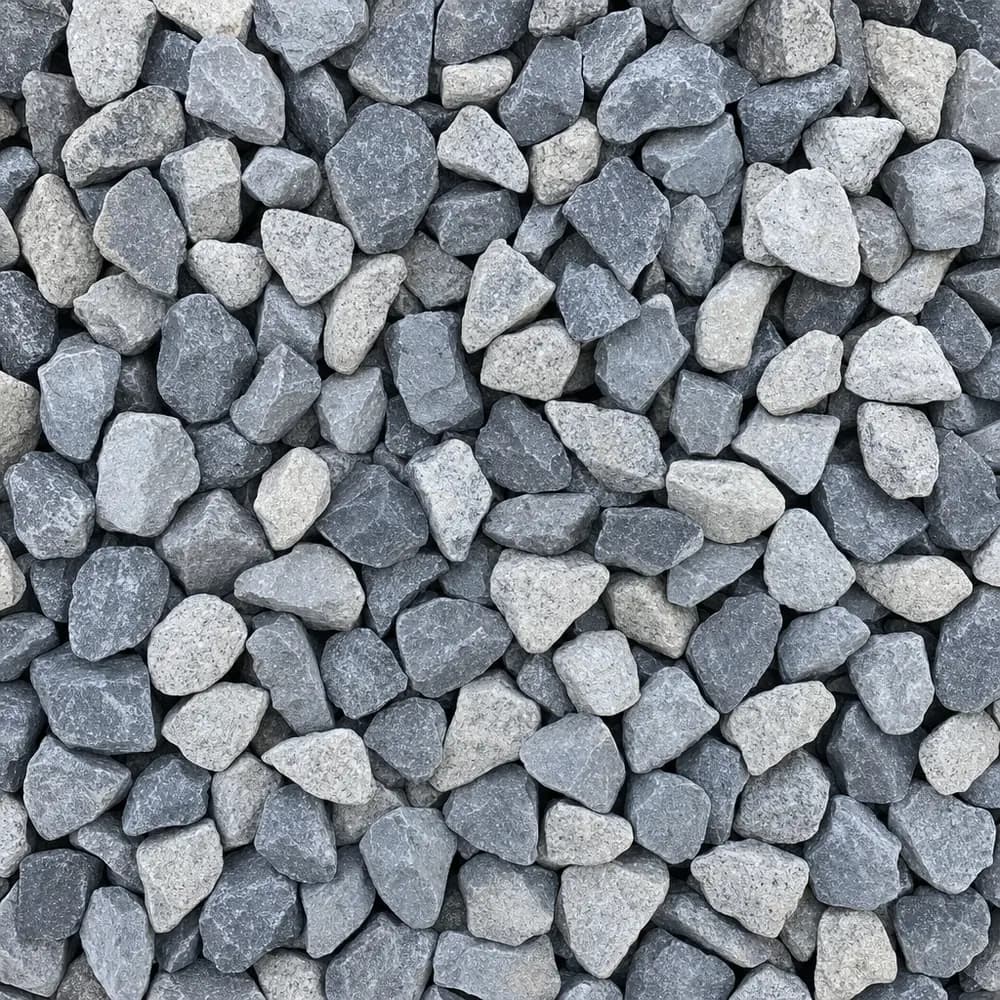
Large riprap rock, generally 4 inches to 12 inches and up. Heavy stone for erosion control, shoreline and slope protection, culvert outlets, and channel armoring.
From $429 for 1 ton, delivery to 06050 included (larger loads cost significantly less per ton)
Free delivery included
Enter your ZIP to see your competitive price
Delivered to 06050
Pick a delivery date
Weekday delivery, earliest Nov 3
“A drainage swale behind the barn needed something heavy duty, so I called for riprap. Price came in lower than two other quotes I got, and the rock held up through a storm the week after it was placed.”
Heather G. · Verified Buyer
Get a Free Quote
Fill out the form and our sales team will get back to you within the hour.
People buy riprap after watching ground leave. A pond edge that is a foot further in than it was two springs ago, a culvert outlet that has dug itself a hole, a slope behind the shed that slides a little further every time the gutters overflow. The material is simple: heavy stone, commonly 4 inches to 12 inches and up, sized so each piece is too heavy for the water to move. What changes from one part of the country to another is not the stone, it is the force acting on it, so this page runs through the questions in the order they usually get asked.
Which part of the bank does riprap actually have to cover?
More than the strip at the waterline, which is where most first attempts stop.
Water undercuts a bank from below, so protection has to start beneath the lowest point the water reaches and come up past the highest. On a pond or lake edge, that means starting at the toe underwater and carrying the stone up the face to above the high water mark. At a culvert outlet, the job is to blunt the jet of water leaving the pipe, so the apron has to be wide enough that the flow spreads before it hits soil again. On a slope, the answer is usually the whole face plus a foot or two past the crown, because water sheeting over the top is what starts the failure.
Does the answer change between a northern pond and a sun belt canal?
Yes, and it is worth thinking about before you pick a size.
- In frost country, the water freezes and the ice moves. Sheet ice expanding against a bank and shoving up its face will push undersized stone out of place over a winter, and the ground behind the stone heaves and settles with the same cycle. Bigger, more angular pieces and a well-keyed toe matter more here than anywhere.
- In the sun belt, from Florida through south Texas, the problem is water volume rather than ice: storm surge, heavy rain events, and a water table sitting close to the surface so the soil behind the stone is often saturated already.
- On wet coastal ground of any latitude, add wave action to that, which works the stone constantly rather than in one seasonal event.
None of that changes what the material is. It changes how big the pieces need to be and how far up the face they go.
What has to go under it?
This is the step that gets skipped and the reason failed installations look like the stone sank. Heavy rock placed straight onto bare soil does two things: it presses into soft ground until the surface is uneven, and it lets water carry fine soil up through the gaps between pieces until the bank hollows out behind the armor.
The standard answer is a separation layer between soil and stone, either a geotextile fabric or a graded layer of smaller stone, so water can pass but soil cannot. Smaller stone also helps at the toe and along the edges, where the transition from armored to unarmored ground is the weak point. #4 Crushed Stone is the nearest size down in this catalogue and is often used underneath larger armor or as the whole answer where flow is gentle.
How many yards does 60 feet of pond edge take?
Volume is length along the bank, multiplied by the slope face you are covering, multiplied by thickness. Two hypothetical examples. This site's calculator figures rip rap at about 3,100 lb per cubic yard, or 1.55 tons per yard, so the tonnages below are approximate.
A pond edge. 60 feet of bank with a 6 foot slope face, stone laid 12 inches thick: 60 x 6 = 360 square feet of face, 360 x 12 / 12 = 360 cubic feet, 360 / 27 = 13.3 cubic yards, and 13.3 x 1.55 = roughly 20.6 tons.
A construction entrance. A 12 by 50 foot pad at 8 inches: 12 x 50 = 600 square feet, 600 x 8 / 12 = 400 cubic feet, 400 / 27 = 14.8 cubic yards, or about 22.9 tons.
Both are examples rather than real jobs. For coverage at a glance, one cubic yard is 27 cubic feet, so it covers about 27 square feet at 12 inches thick, or roughly 18 square feet at 18 inches. The rip rap calculator does the same arithmetic and returns tons as well as yards.
Is it right for a construction entrance?
Yes, and it is one of the few dry-ground jobs where it makes sense. A pad of heavy stone at the point where vehicles leave a site takes the mud off tires before they reach the road, and the size that survives a loaded truck is the same size that survives moving water. If the pad also has to be driven on comfortably rather than just crossed, put a layer of Crusher Run or Road Base underneath so the stone has something firm to sit on.
Why is it the wrong stone under a paver patio?
Because pavers need a flat, compactable base and this stone gives neither. A 14 by 16 foot patio at 4 inches works out at 14 x 16 = 224 square feet, 224 x 4 / 12 = 74.7 cubic feet, 74.7 / 27 = 2.76 cubic yards. That volume wants #57 Stone or crusher run, screeded flat and compacted, with a thin bedding course of Mason Sand on top. Put armor stone under a patio and you get voids the bedding sand disappears into and a surface that never stops moving.
Decisions to settle before the truck is booked
Size, thickness and access, in that order. Once you have a volume, set the amount and a delivery date here. Delivery is arranged at checkout by ZIP code, and access matters more with this material than any other on the site: the truck needs a firm route to a dump spot as close to the bank as it can safely get, because nobody moves stone this heavy far by hand. If you would rather describe the bank and have someone talk sizes through with you, American Rock Supply takes calls and texts through the contact page.
Quickly Calculate How Much You Need
Material: RipRap
How to Measure
Measure the length and width of your project area in feet
Decide on depth in inches (2" for landscaping, 4" for driveways)
Enter the values above and we'll calculate the tonnage you need
Need help figuring out the right amount? We can help!
Call or text us at (888) 389-5517 and we'll help you calculate the right quantity for your project.
Not sure how much you need? The Rip Rap Calculator has depth guides, coverage charts and worked examples for this material.
Frequently Asked Questions About RipRap
Customer Reviews
Good for erosion control
I put these along a bank that was washing out. They've stayed put through a couple of heavy rains.
Rob S. · Raleigh, NC · Verified Buyer
A drainage swale behind the barn needed something heavy duty, so I called for riprap. Price came in lower than two other quotes I got, and the rock held up through a storm the week after it was placed.
Heather G. · Louisville, KY · Verified Buyer
Great Product and Service
Everything went smoothly with my order from American Rock Supply. The riprap suited the project perfectly. The experience was simple, professional, and well organized.
Greg J. · Springfield, MO · Verified Buyer
Picked up riprap for a seawall repair and the whole ordering process took maybe ten minutes online.
Laura K. · Tampa, FL · Verified Buyer
Free delivery sealed the deal for me since I was already over budget on the project. Driver was polite and asked where I wanted the pile before dumping it.
Nicole F. · Tulsa, OK · Verified Buyer
Fair price for the quality
It did the job and the price was reasonable.
Luis N. · Cleveland, OH · Verified Buyer
Good size
The rocks are a good size for riprap. They're heavy and stay put.
Gina K. · Augusta, GA · Verified Buyer
Reliable soil for yard work
It's riprap. It's big and heavy, and it holds the soil in place.
Heather G. · Louisville, KY · Verified Buyer
Hard to move
If you're doing a large area you'll want equipment. The rock itself is fine.
Scott S. · Tulsa, OK · Verified Buyer
Effective erosion control
This worked well for a small slope. It's heavy and holds soil in place.
Eric V. · Denver, CO · Verified Buyer
Dependable material for the project
The riprap arrived as described and performed reliably for the job.
Pat B. · Orlando, FL · Verified Buyer
Good for a slope
I used this to stabilize a small slope and it's holding up well. Heavy enough to stay put.
Mike B. · Fort Worth, TX · Verified Buyer
RipRap has 13 verified customer reviews with an average rating of 4.8 out of 5.